Our 2026 Scholars
The Lois Price Spratlen Foundation has awarded a record nine scholarships this year!
Each scholar will receive a $2,500 scholarship to support them in their psychiatric mental health nurse practitioner graduate program.
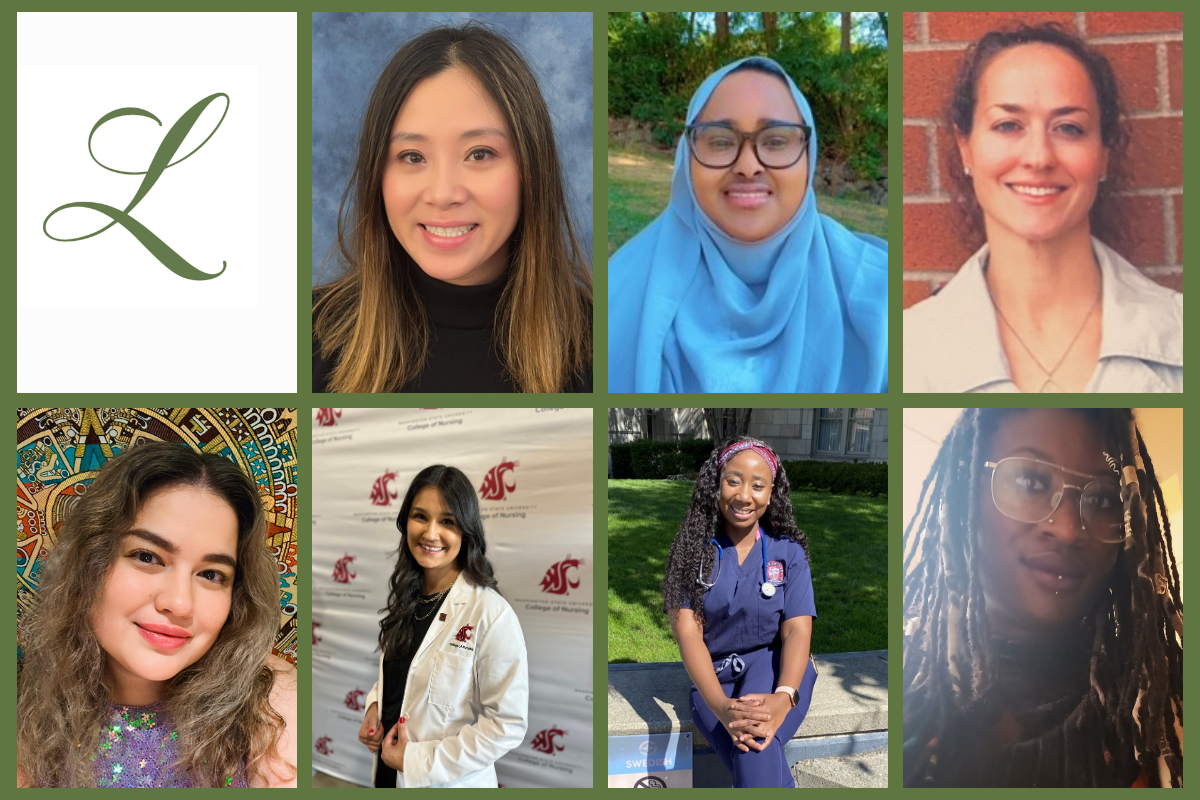
Amy Lamson, University of Washington
As a nurse in the Psychiatry and Behavioral Medicine Unit at Seattle Children’s Hospital, Amy cares for patients ages 4–17 in acute psychiatric crisis. The unit often serves as a catch-all for patients and families failed by an under-resourced, overburdened system.
“I have witnessed how a lack of community-based resources, long boarding times in emergency departments, exclusionary criteria in outpatient programs, and cash-only practices exacerbate suffering and limit access to effective, preventative care, especially for marginalized youth,” she wrote.
In recommending Amy for this scholarship, Lexi Webster of Seattle Children’s wrote, “Amy is an exceptional nurse with a profound understanding of psychiatric nursing, and her diverse clinical experiences as a primary nurse, clinical nurse, and nurse educator are reflective of her commitment to excellence in psychiatry nursing.”

Maureen Langston, University of Washington
Maureen’s perspective has been shaped by her experiences growing up in Kenya, her work in a med-surgical unit, and her volunteer service as a Board member of Breaking the Silence KE, a nonprofit dedicated to reducing mental health stigma within Kenyan service members.
She wrote that these experiences “have taught me that healing requires compassion, patience, and providers who create safe spaces where people feel heard without judgment and that is the type of provider I will strive to be.”
“Maureen is the kind of professional every organization hopes to have,” wrote Rose Mugati of Synergy HomeCare. “Her decision to pursue the PMHNP role reflects a true calling, one grounded in advocacy, healing, and a desire to create meaningful change for underserved and vulnerable populations.”
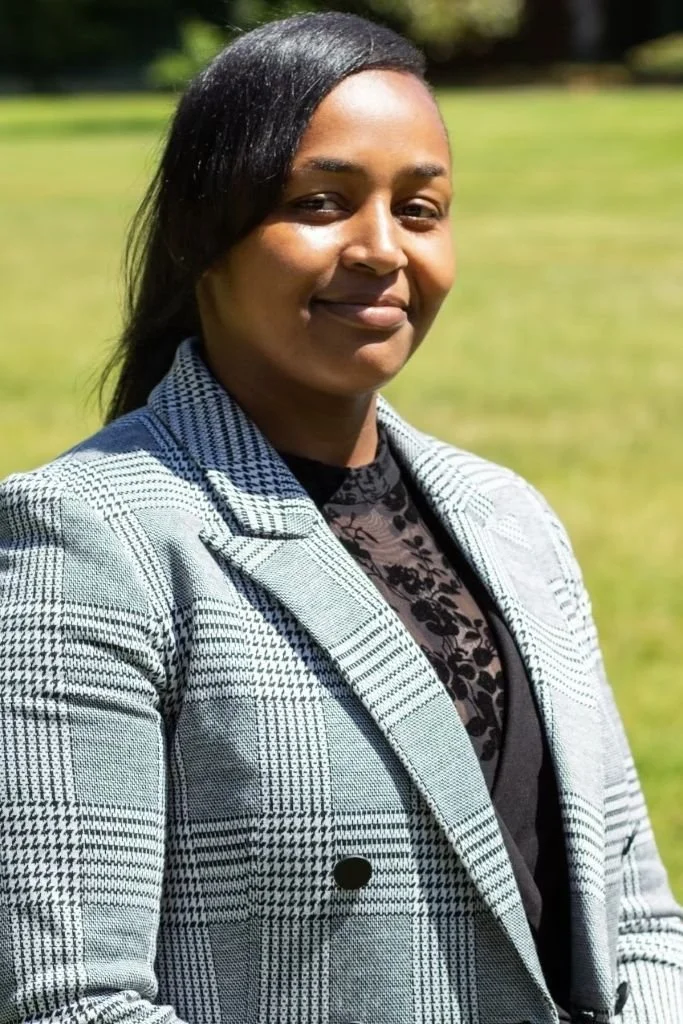
Sheilla Mbaisi, Pacific Lutheran University
Growing up in Kenya, Sheilla was raised with the belief that caring for others is a shared responsibility. In her work as an adult family home administrator and registered nurse, she cares for individuals experiencing barriers such as limited access to psychiatric providers, fragmented services, and social isolation.
“I have witnessed firsthand how these gaps disproportionately affect vulnerable populations,” she wrote, “reinforcing my commitment to improving access to community-based and rural mental health services.”
“Sheilla is a developing leader in psychiatric nursing,” wrote 2018 Foundation scholarship recipient Vincent Otundo of MultiCare Behavioral Health Clinic. “Her work reflects a deep understanding of the systemic barriers affecting [underserved] communities and a clear commitment to improving access and quality of care.”
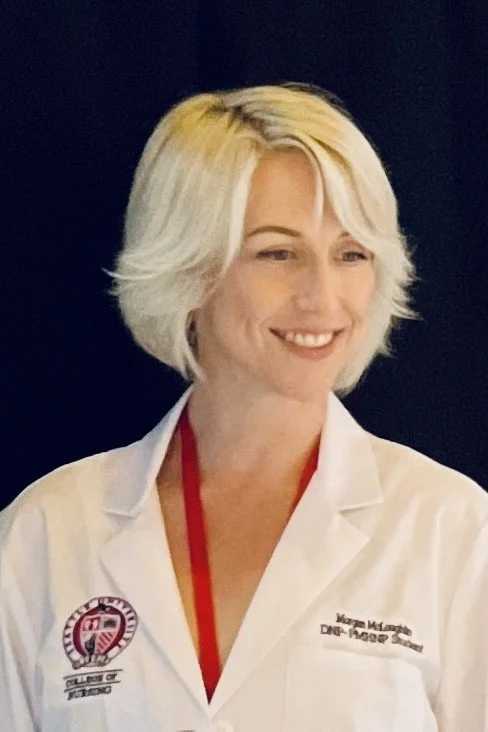
Morgan McLoughlin, Seattle University
As a registered nurse in withdrawal management services at Valley Cities Behavioral Health, and as a volunteer with the Good Samaritans Suicide Prevention Helpline, Morgan works with individuals experiencing homelessness, poverty, and chronic trauma. This work requires trauma informed care, crisis intervention, and interdisciplinary collaboration.
“Working with this population has strengthened my commitment to expanding mental health access in community based and rural settings, where structural inequities are most visible,” she wrote.
“What distinguishes Morgan is her ability to translate her values into meaningful action,” wrote Jonnae Tillman of Seattle University. “Whether working with patients, peers, faculty, or community members, Morgan creates environments where individuals feel seen, heard, and valued.”
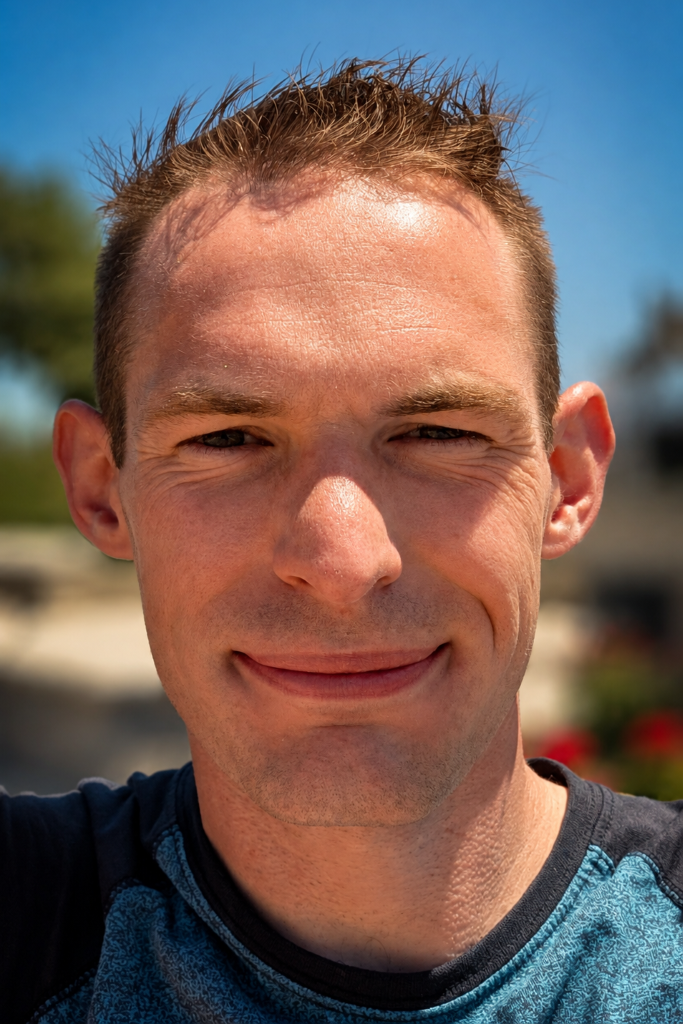
Obed Meyers, Chamberlain University
Obed’s inspiration to become a PMHNP stems not only from his health care work, but also from leading a team of industrial engineers at The Boeing Company, which informed his understanding of utilizing research in his future practice.
“In order to give my clients recommendations on the effect of social media on attention, management of suicidal ideation, or novel ADHD medication, I must use evidence,” he wrote.
“Obed stands out because of his empathy,” wrote Dawn Van Horn of St. Clare Hospital. “A returning patient came back to our unit specifically because of the staff. The patient told me, ‘Obed was great and even took the time to tell me he prayed for me.’ That kind of connection just comes naturally to him, and it’s exactly what makes him such a standout nurse.”
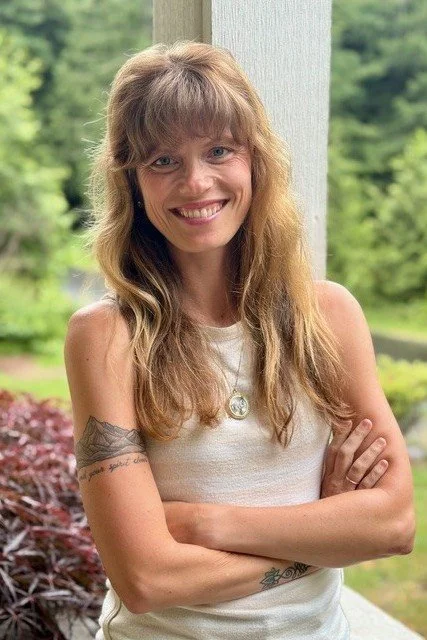
Monika Reynolds, University of Cincinnati
As an FNP working in a small community, Monika worked with adolescents and their families struggling to access the mental health support they desperately needed. This gap in care inspired her to pursue a PMHNP degree.
“My goal is to stay in my local community and build something specific to its needs—a place where struggling adolescents and their families can find consistent, specialized psychiatric care close to home,” she wrote.
“Monika is exactly the type of emerging psychiatric nurse leader this scholarship is designed to support,” wrote Dr. Jose M. Cruz of the University of Cincinnati. “[She is a] dedicated practitioner, a compassionate advocate, and a lifelong learner who is advancing her training not only for her own professional growth but also for the wellbeing of the communities she serves.”
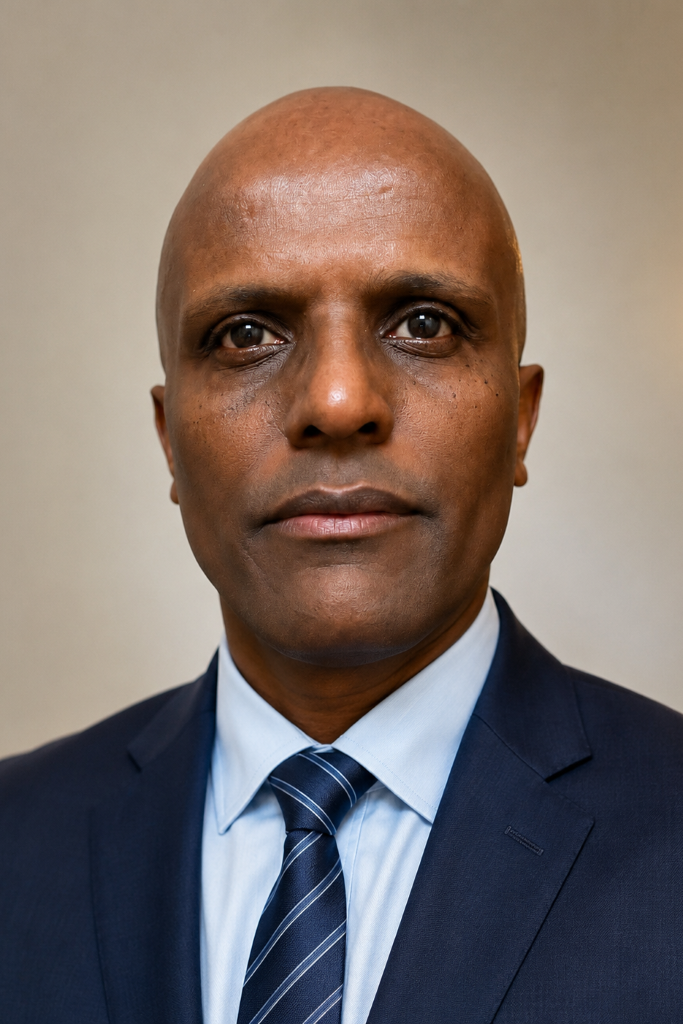
Caleb Tadesse, Walden University
Growing up in a community where access to healthcare was limited, Caleb witnessed individuals suffering from preventable illnesses because care was unavailable, inaccessible, or delayed.
“Those experiences taught me that health outcomes are often shaped not only by disease but also by the systems that determine who receives care and who does not,” he wrote. “I am particularly interested in integrated care models, community mental health services, and telepsychiatry programs that reduce barriers related to transportation, stigma, and provider shortages.”
Caleb “will be a fantastic Psychiatric-Mental Health Nurse Practitioner whose future patients will benefit from his knowledge and caring demeanor,” wrote Tammy Steele of Walden University. “He will strive to meet the needs of future patients and help them have an improved quality of life.”
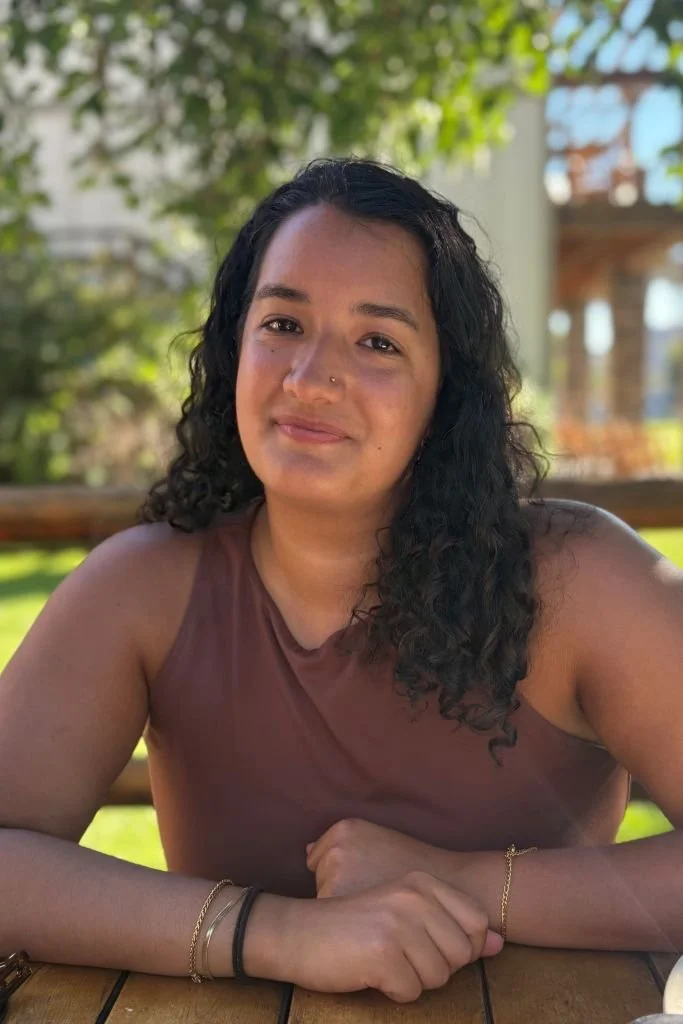
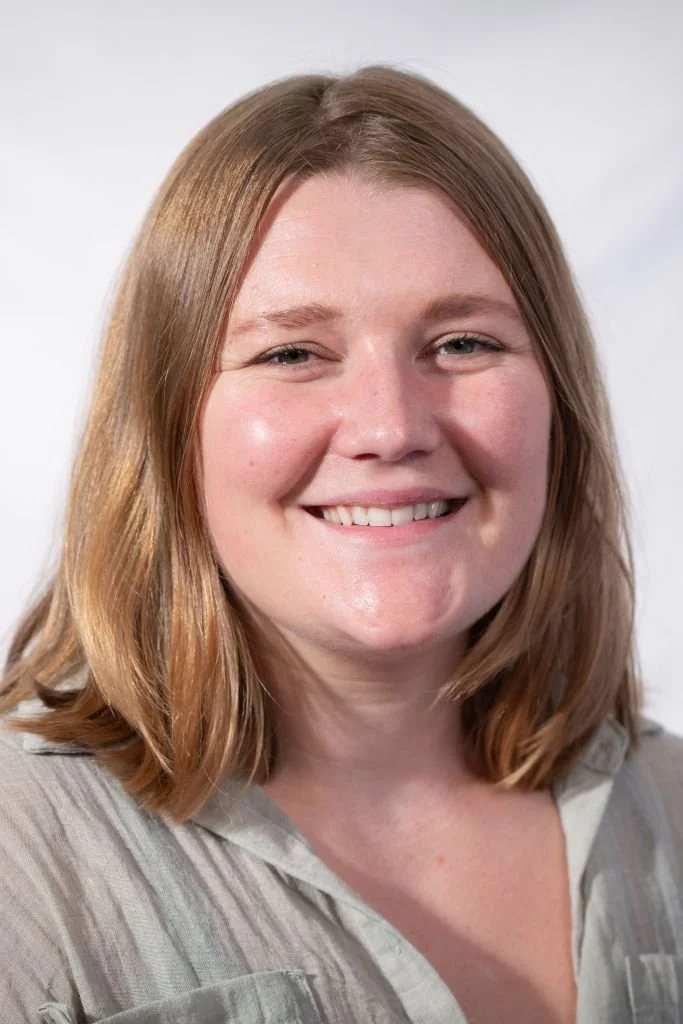
Natasha Vederoff, University of Washington
Natasha’s parents’ background in social work and foster care “gifted me with emotional and social skills that I hope to utilize as I pursue engaging in Psychiatric Nurse Practitioner work.” She aspires to work with the youth and families among the immigrant and refugee population.
Working with diverse patient populations, she wrote, has increased her understanding that “effective psychiatric care requires people willing to engage in complexity; it requires a holistic approach that considers the social, economic, and cultural factors affecting individuals.”
“Natasha excels in interdisciplinary teamwork and leadership, a hallmark of her practice” wrote Maureen O’Brien of Seattle Children’s Hospital. Her work with neurodivergent children has “shaped her holistic understanding of adolescent health as deeply interconnected with family systems, community supports, and social determinants of health.”
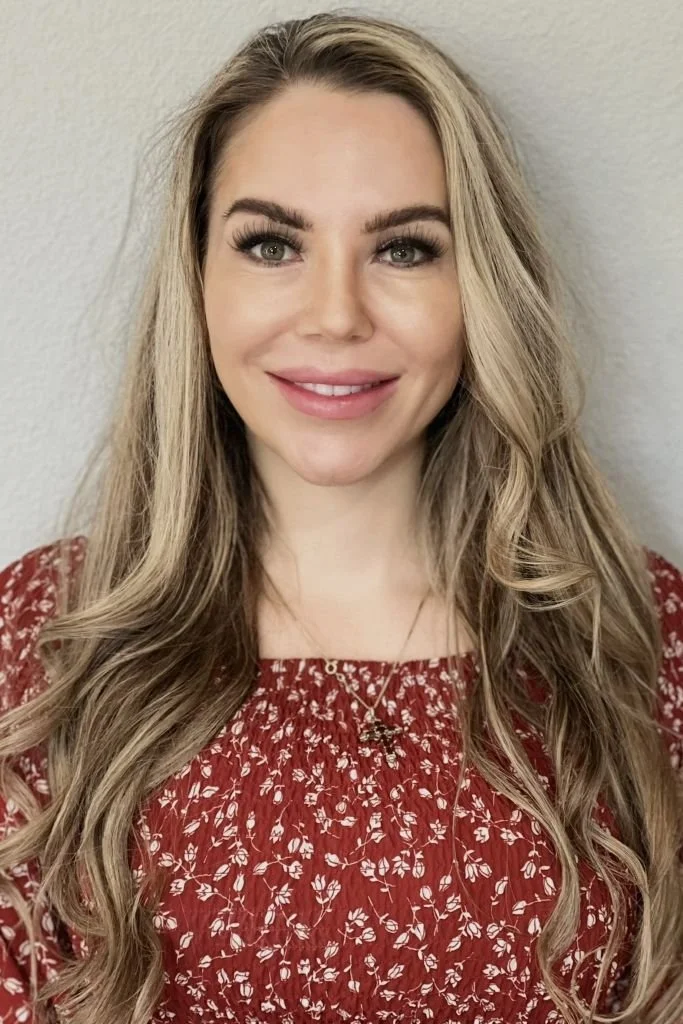
Sarah Warren, Gonzaga University
Growing up, Sarah’s family experienced addiction, trauma, and mental illness. As a nurse working with a recovery center and as a volunteer for a domestic violence crisis line, she has cared for those working through similar situations.
“Witnessing these struggles instilled in me a deep sense of care and a desire to help others find healing and stability,” she wrote. “I am focused on helping close these gaps by delivering evidence-based care and advocating for those who might otherwise go without treatment.”
“Sarah distinguishes herself among her peers through her clinical insight, strong work ethic, positive demeanor, leadership, and professional communication,” wrote Lindsey Anagnostopoulos of Gonzaga University. She demonstrates “a genuine commitment to understanding patients within the context of their lived experiences and individual circumstances.”
Thanks to our 2026 Scholarship Committee members for reviewing applications and selecting our scholars: Elaine Walsh (Chair), Christina Chacon, Laura Frantz, and Carol Kottwitz.
Scholarship Recipients - All Years